
Why Real Bread Takes Real Time: Inside Chef Pavel's 18-Hour Fermentation Process
StartAt Cremesh Coffee & Bakery, bread isn't something we rush. Every loaf that comes out of our ovens starts almost a full day earlier, with nothing more than flour, water, and salt — no yeast, no shortcuts, no additives. Just time, patience, and a process Chef Pavel has spent years perfecting.
Bread the Way the Body Understands It
Most bread on grocery store shelves is made fast: mix, rise for an hour or two, bake. It gets the job done, but it skips the part that actually makes bread good for you.
When dough is given time to ferment slowly, something remarkable happens. Natural fermentation breaks down the starches and gluten in the flour, making the bread easier to digest. It unlocks nutrients that are otherwise harder for your body to absorb. And it does all of this without any artificial yeast, preservatives, or dough conditioners — the kind of ingredients you'll find in most commercial bread but never in ours.
That's the whole idea behind what Chef Pavel makes daily: bread that's not just delicious, but genuinely good for the human body.
The Process: Two Fermentations, 18 Hours, Three Ingredients
Chef Pavel's method relies on double fermentation — a slower, more deliberate approach than most bakeries use.
First fermentation. The dough is mixed with just flour and water, and then left to develop naturally. No commercial yeast is added at any point. Instead, the fermentation happens the traditional way, giving the flour time to break down and the flavor time to build.
Second fermentation. After the dough has had its first rest, it's shaped and given a second, slower rise. This is where the bread develops its structure — that perfect balance of a crisp crust and an airy, tender crumb.
Start to finish, the entire process takes about 18 hours. There's no way to speed it up without losing what makes the bread special. It's a long process by design, because good bread simply can't be rushed.
Why It Matters
This isn't just a technique — it's a philosophy. Chef Pavel believes that what you eat every day should nourish you, not just fill you up. Fresh, slow-fermented bread is easier on digestion, free of the additives found in mass-produced loaves, and made with nothing hidden in the ingredient list.
Every loaf is proof that you don't need shortcuts to make something exceptional. You just need time, care, and someone who's willing to put in both, every single day.
What's Baking
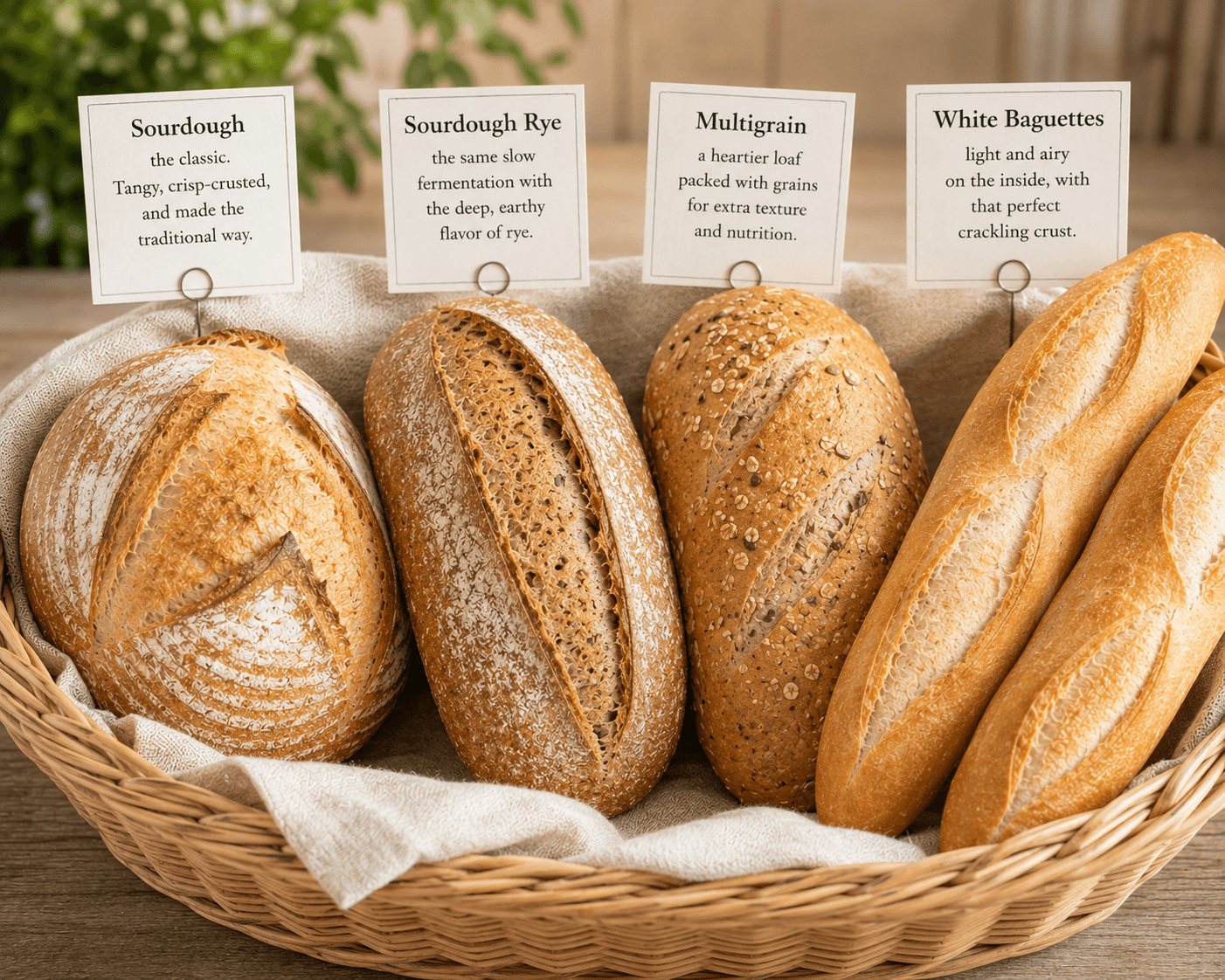
Every loaf goes through the same 18-hour, no-yeast process — Chef Pavel just takes it in a few different directions:
Sourdough — the classic. Tangy, crisp-crusted, and made the traditional way.
Sourdough Rye — the same slow fermentation with the deep, earthy flavor of rye.
Multigrain — a heartier loaf packed with grains for extra texture and nutrition.
White Baguettes — light and airy on the inside, with that perfect crackling crust.
Taste the Difference
Next time you're in, ask for Chef Pavel's fresh bread. You'll taste the difference that 18 hours, two fermentations, and zero shortcuts can make.
Cremesh Coffee & Bakery 1822 59th Street West, Bradenton, FL 941-782-8039 | cremeshbakery.com writing your post here…